A general ASTRONOMY site to get you started exploring the night sky
A replica of a telescope attributed to Galileo.
All About Telescopes
Choosing a first telescope can be daunting.
MY RECOMMENDATION for a first choice telescope is ONE of the following three types of telescopes:
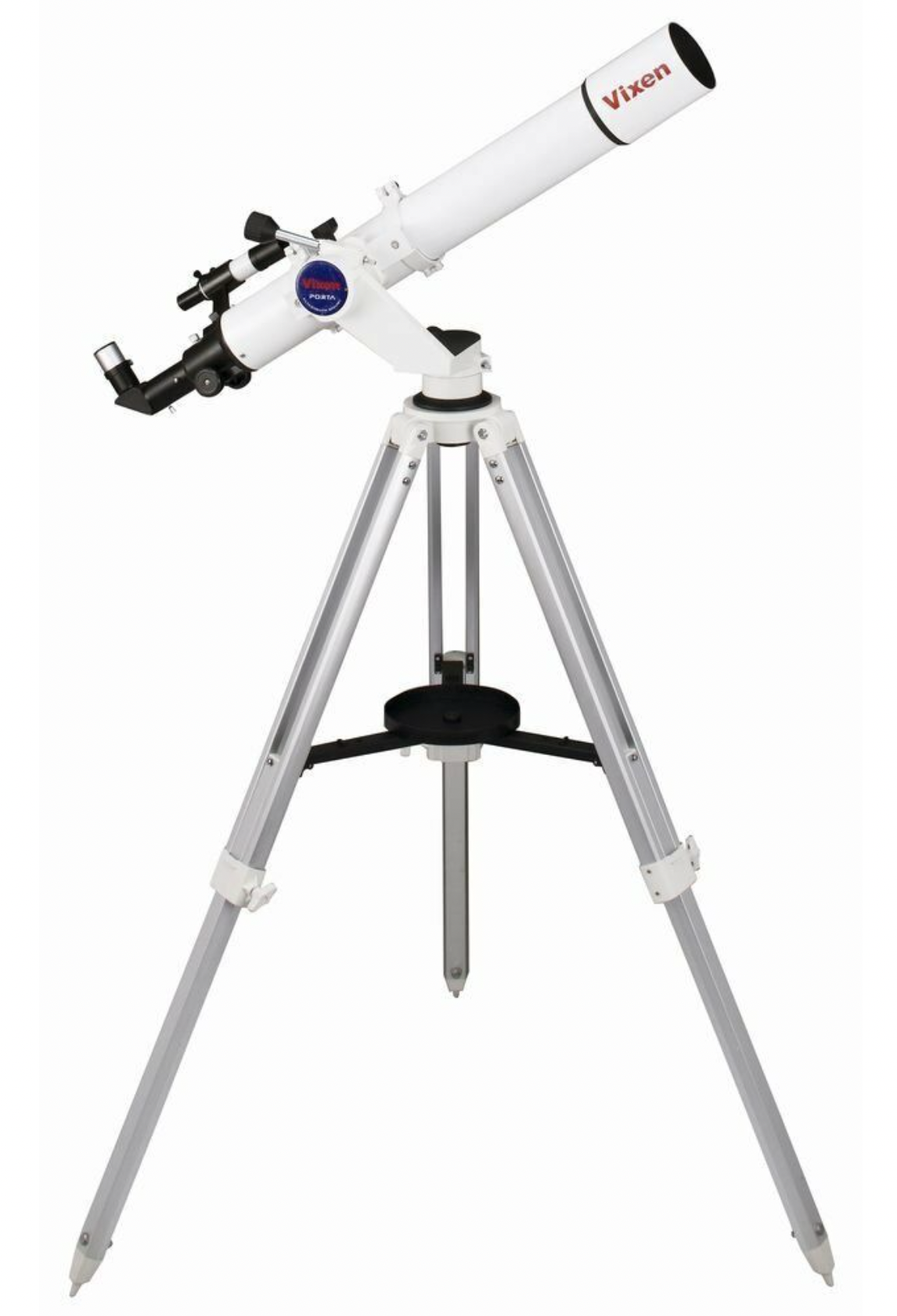
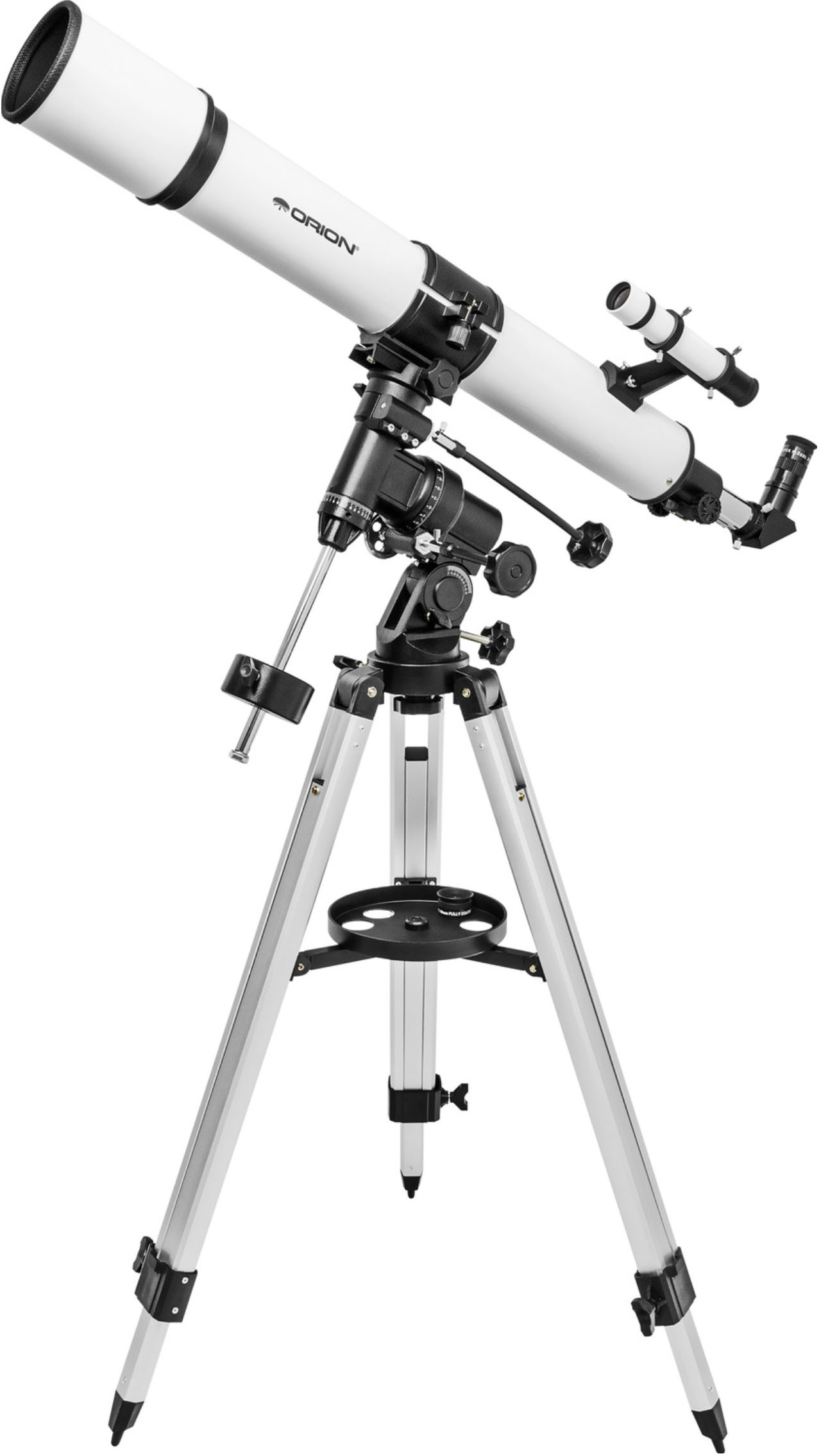
a) 3 or 4-inch Refractor
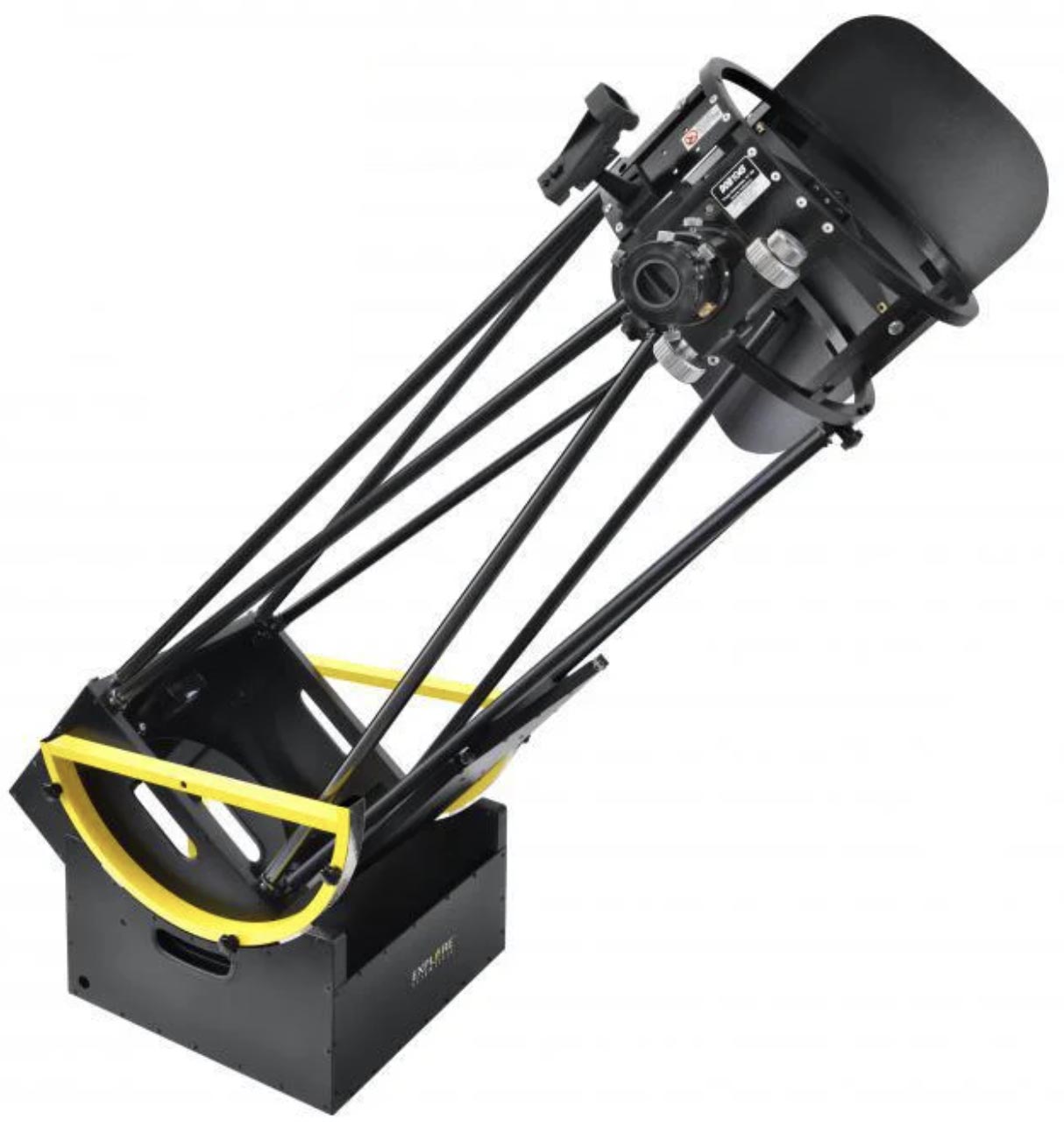
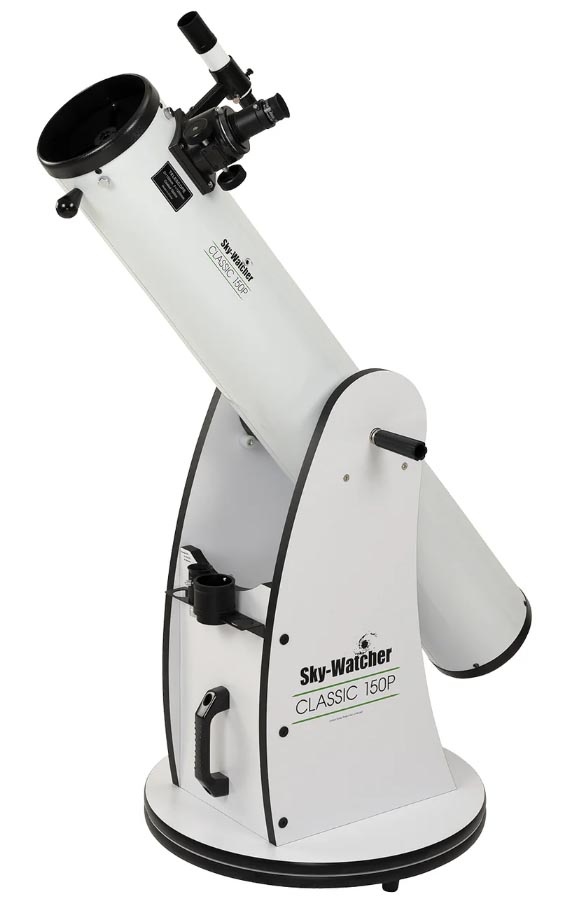
b) 6 or 8 inch Newtonian Reflector (Dobsonian type)
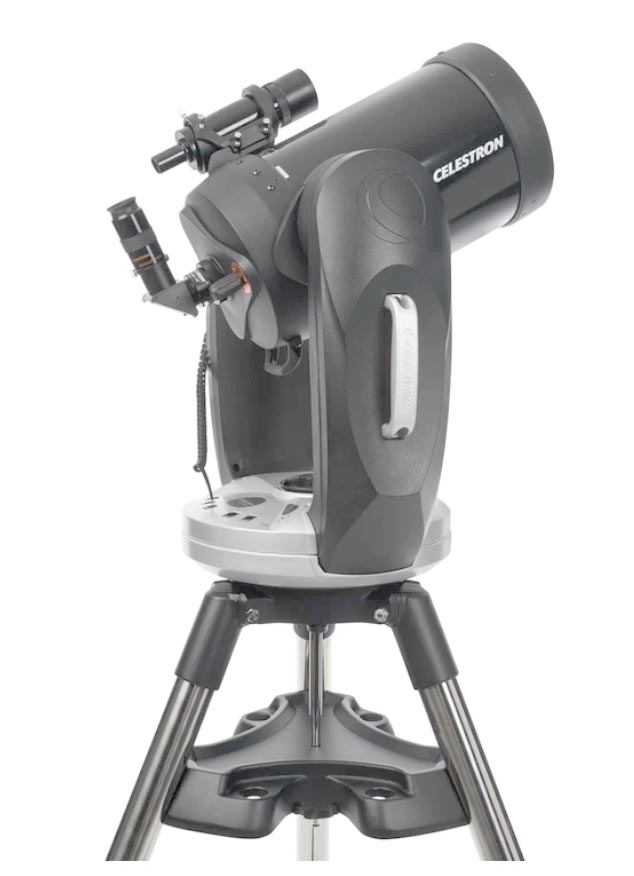
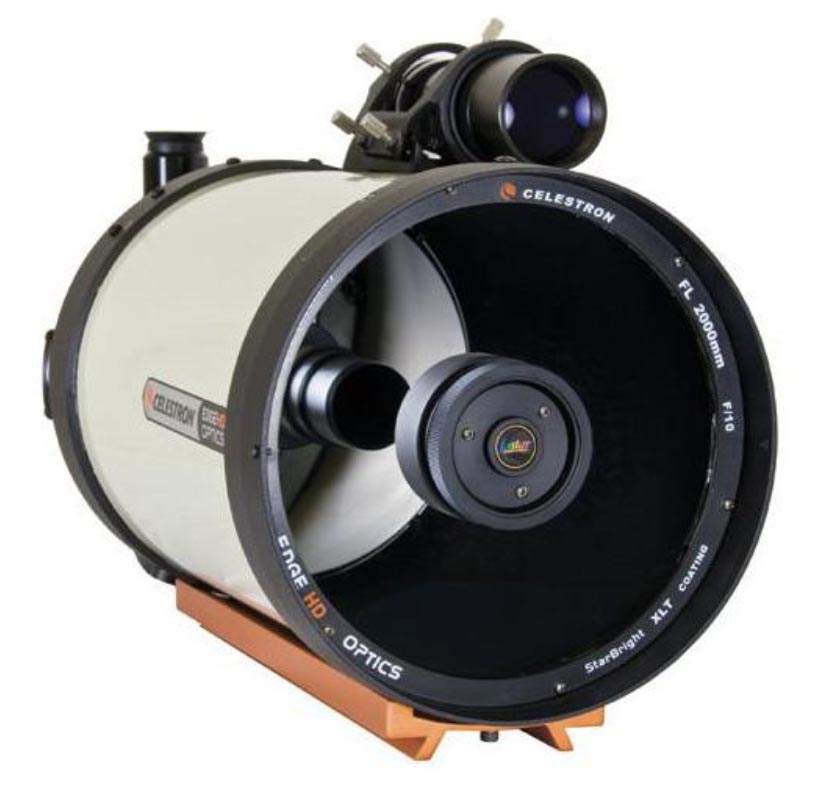
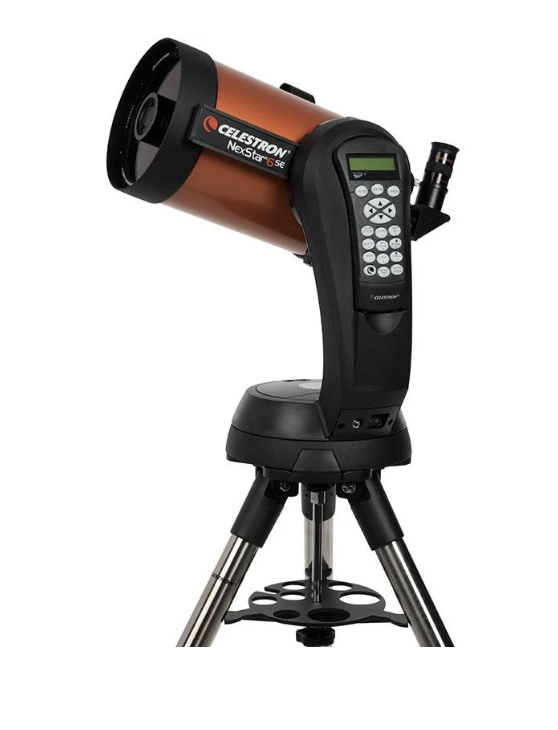
c) 6 or 8 inch SCT (Schmidt-Cassegrain Telescope)
Worthy Notes
1) Make sure the mount and tripod are robust for steady viewing.
2) Most people who stay in the hobby will have owned several telescopes.
3) The telescopes sold at the end of the year at Costco and other stores are NO GOOD! You will be turned off with astronomy using them.
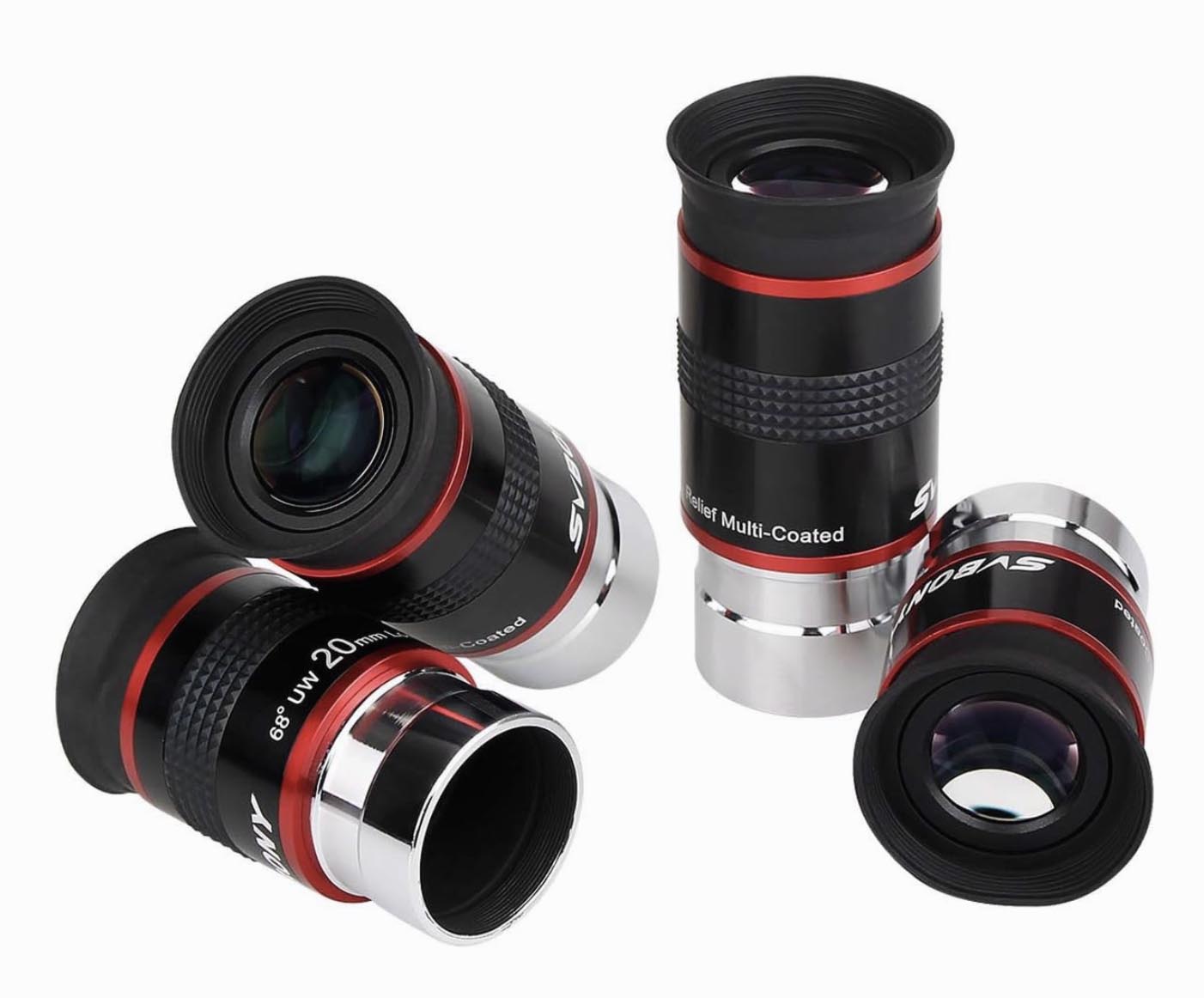
4) Oh, you will have to purchase extra eyepieces to change the magnification. See the info about eyepieces in my TOP PICKS.
5) For aiming the telescope, some come equipped with a traditional finderscope, a small low-magnification telescope. If this is the case, I recommend switching it it out for a red-dot finder—see my info at the very bottom of this page.
I do not receive any type of compensation for my recommendations.
Read more about these telescopes below and my TOP PICKS.
NEW!
Smart Telescopes could be a way to “go”!
A
Smart Telescope
might be a great way to introduce yourself to the hobby of astronomy for minimal expense.
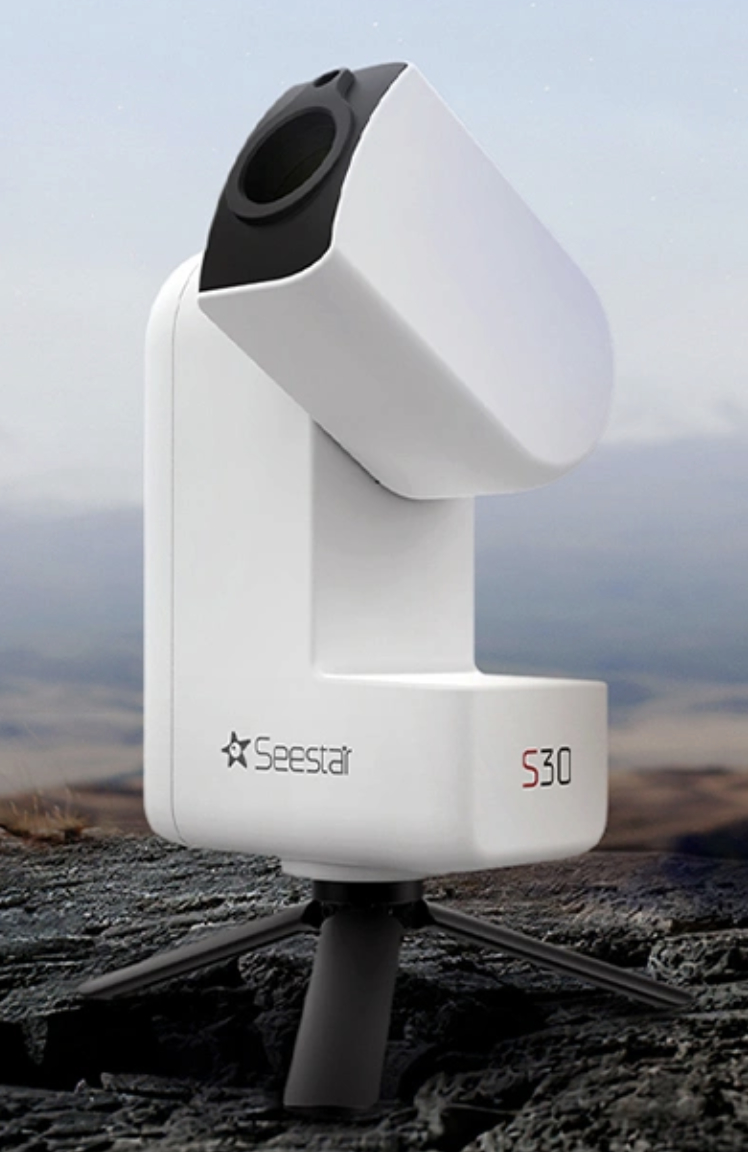
A Smart Telescope is a very small and portable telescope that is controlled by your smart phone. You don't look through it—it takes images of the night sky and presents them on your phone. Best of all, these scopes will automatically find the objects without any setup or alignment on your part—you choose the object it will image (like the Andromeda Galaxy or Orion Nebula) or it will provide suggestions. And, you can get these units for as little as $400.
The Seestar from ZWO is a popular Smart Telescope choice. Click on the image to take you to their site but try to buy locally.
Click here for a website that compares all the Smart Telescopes
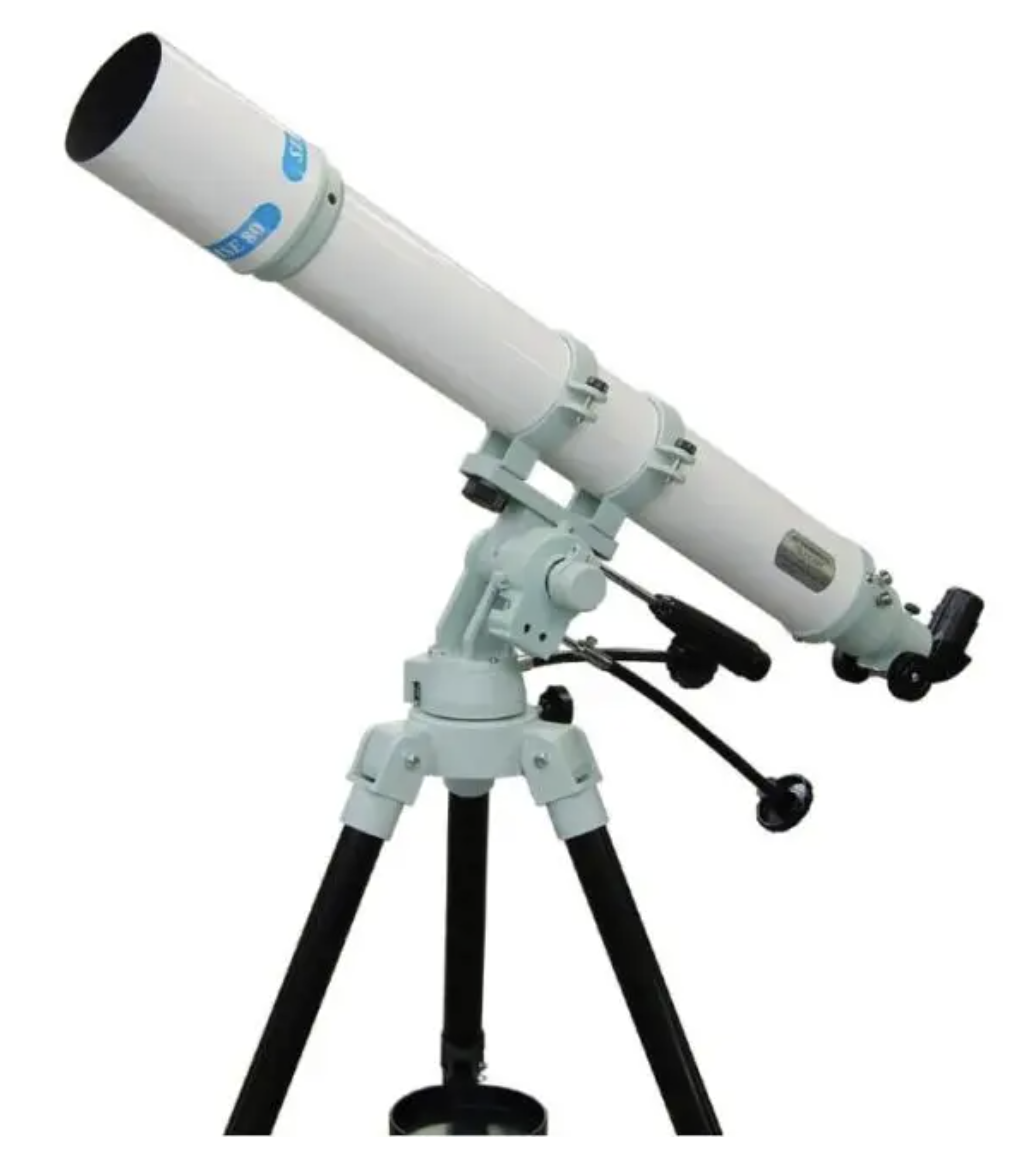
Refractor Telescopes
Newtonian Reflector Telescopes
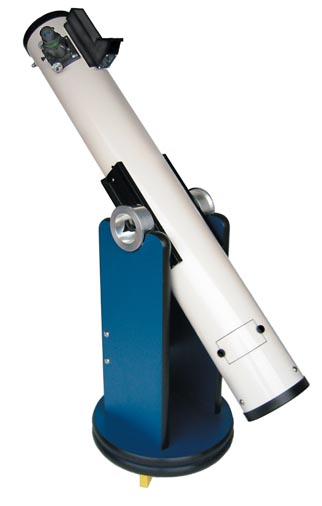
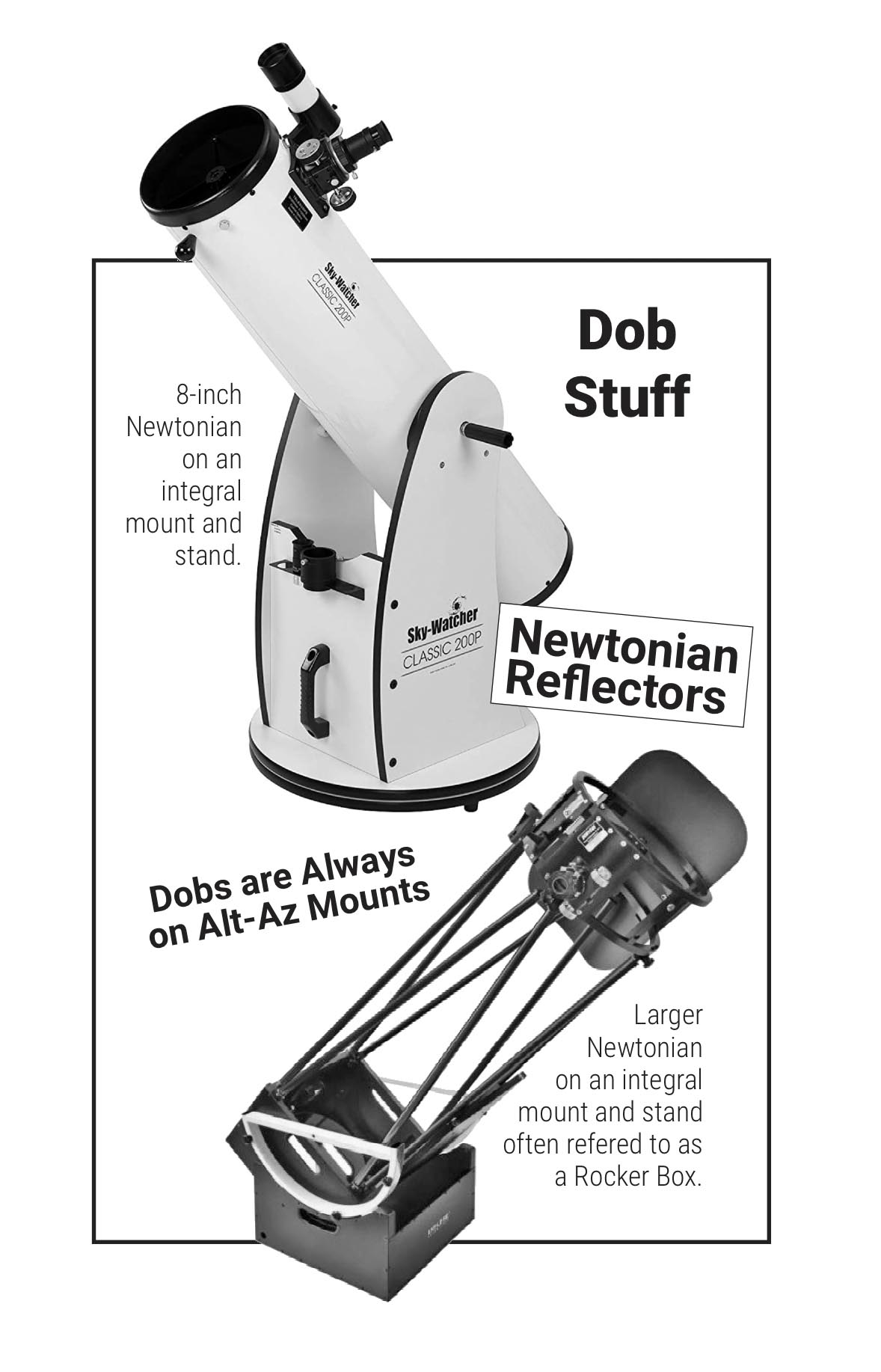
Some Newtonian Reflectors are refered to as Dobsonians
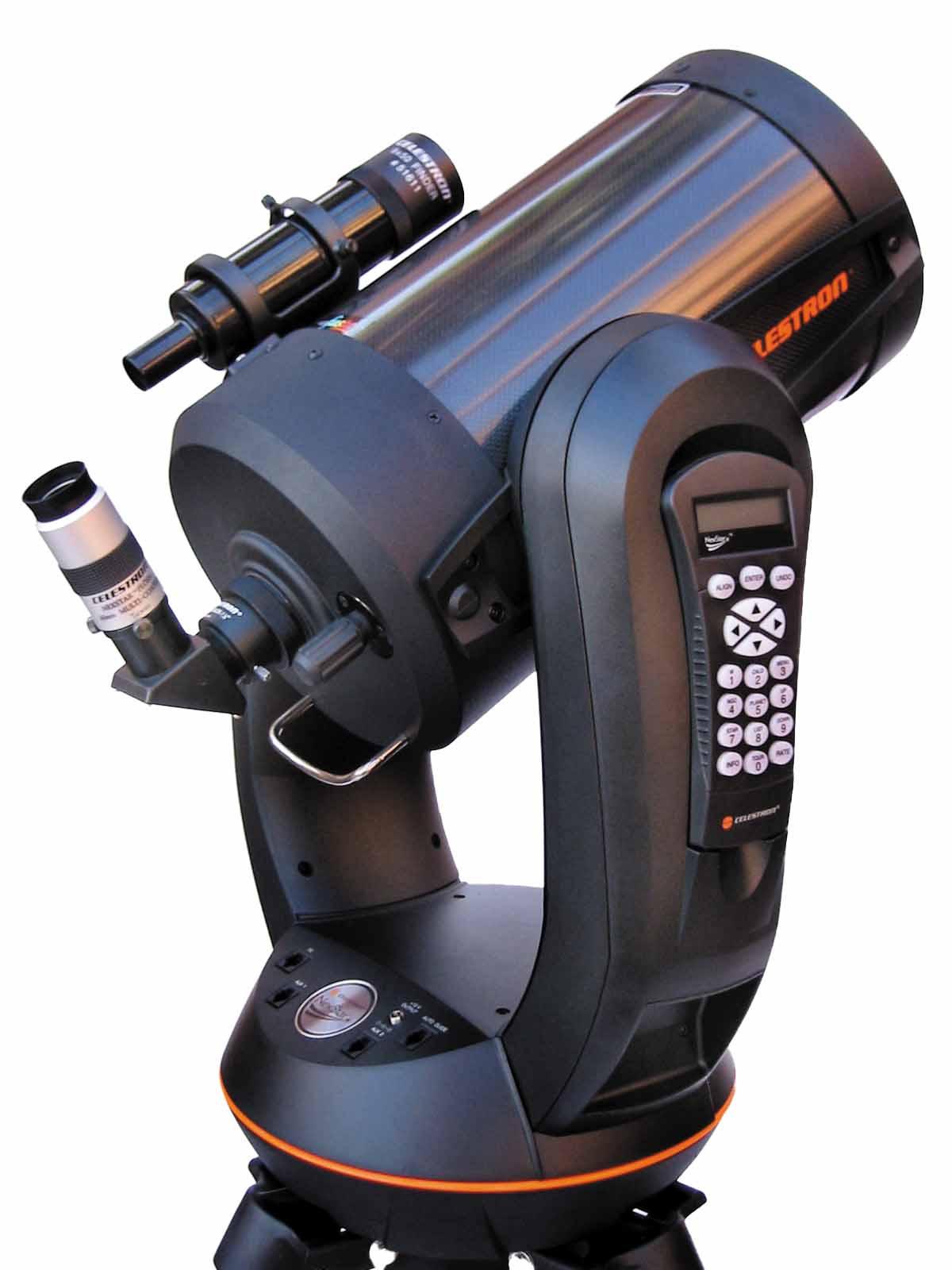
Schmidt Cassegrain Telescopes (SCT)
Biggest Bang for the Buck
MEADE Out-of-business?
Two major companies have manufactured and sold SCTs—Celestron and Meade. As of the summer 2024, Meade is no longer in business and it is unknown if they will start up again.
Mounts and Tripods
Basics
Understanding mounts can be just as confusing as understanding telescopes. A good mount and tripod is essential for steady viewing of the night sky—it is a big part of “observing satisfaction.” There is nothing worst than trying to observe with a shaky mount/tripod and since we are dealing with magnifications of 50x and up, this is a very important consideration—especially with the higher magnification of 150x to 300x plus.
The mount sits on the tripod (or pedestal or stand). The mount allows movement of the telescope to point to objects in the sky. The tripod elevates the mount so the telescope is at a comfortable height.
Generally, inexpensive telescopes aren’t good in the mount/tripod department.
There are two basic mounts, the
Altitude-Azimuth (Alt-Az) and
Equatorial and are described below.
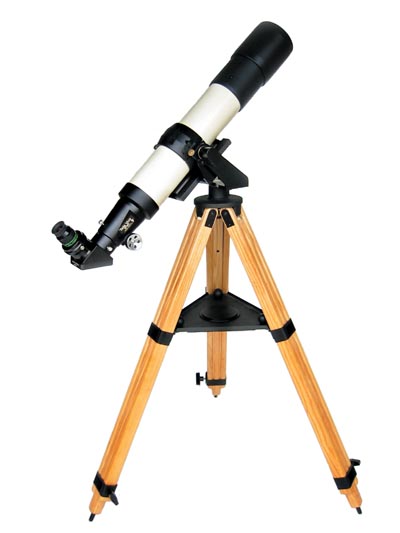
An Altitude-Azimuth (alt-az) mount on an aluminum tripod. This is a manual mount where you push the telescope up and down for vertical movement and move it in a circle for horizon motion.I would rate this mount and tripod as a solid 5 out of 10 for sturdiness and stability.
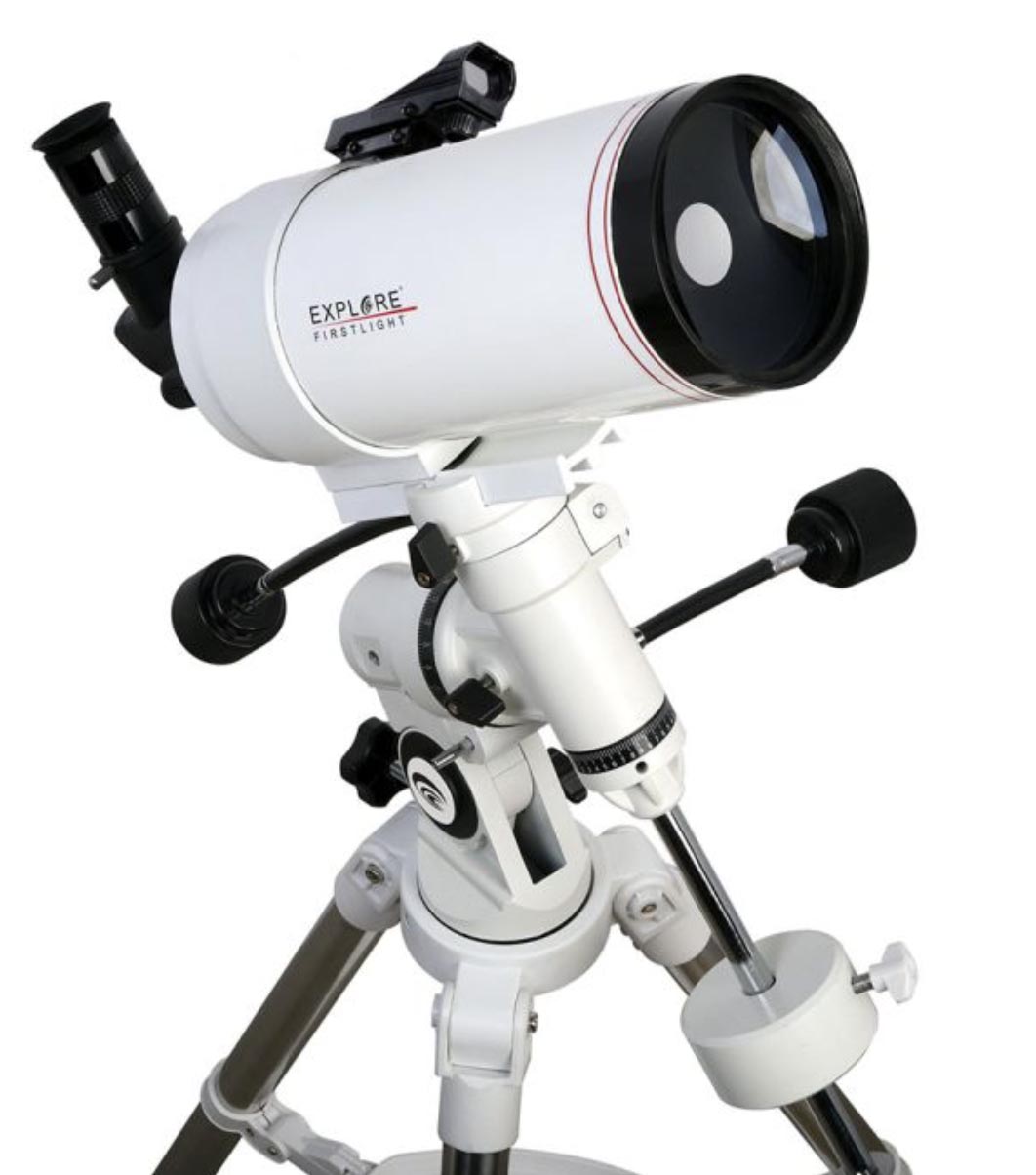
A German Equatorial Mount
(abbreviated GEM) on an
aluminum tripod. This type
of mount take a little orientation to get understand its movement. One axis is pointed to the North Celestial Pole (near Polaris). Once accomplished, only have to move the scope on one axis to keep an object in view. This type of mount mimics the motions of the stars in the sky. I rate this mount and tripod as a solid 5 for sturdiness and stability. NOTE: Orion Telescopes has gone out of business as of July 2024.
The Alt-Az Mount
The altitude-azimuth (alt-az) mount is the basic up-and-down and turn-it-around mount, the same used with binoculars at tourist sites (but you don’t have to insert quarters). This is usually a manual mount and is often found on small refractors and reflectors of around 6-inches or less. A motorized/computerized version is used on the SCT telescopes by Celestron and Meade.
The Altitude movement is the up-and-down motion and the Azimuth movement allows horizontal or turning movement to any compass point.
Some alt-az mount have knobs on long rods or long springs (long to make the knobs easier to reach)
that are turned to help follow celestial objects.
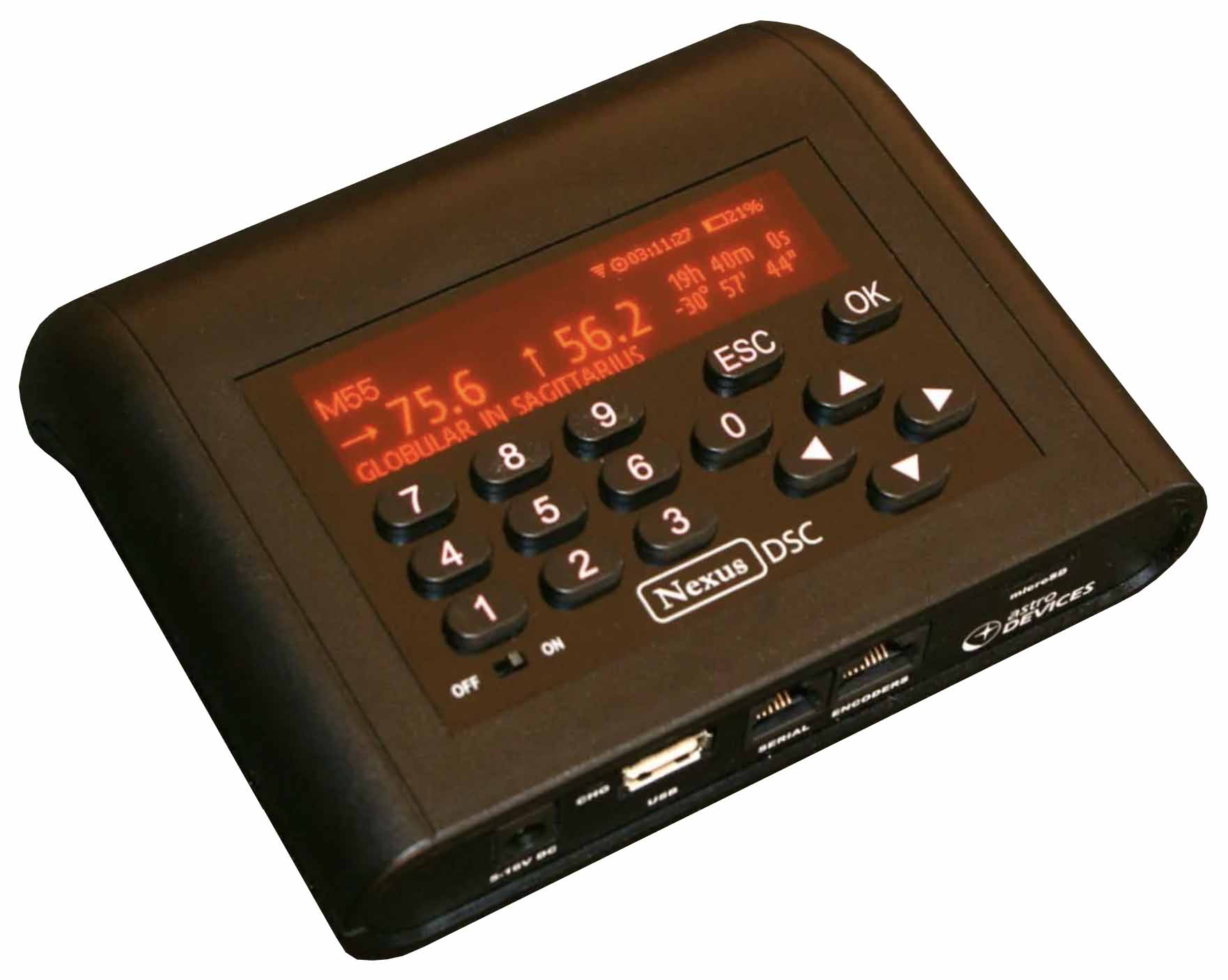
The Dobsonian telescopes are all on alt-az mounts and it is possible to motorize these mounts and/or add Digital Setting Circles.
Like anything, the quality of alt-az mounts varies, and some work horribly. Usually, the more expensive the telescope, the better quality mount you get, as well as a stable tripod.
I have a few manual alt-az mounts that I enjoy using because I can quickly and easily move the scope to objects, of course, using a reflex finder.
The Equatorial Mount
This is a more complicated mount than alt-az mounts (but easy to use) with motorized versions used/needed for amateur astrophotography. Note, there are incredibly worthless equatorial mounts on many cheaper telescopes!
This mount has different configurations but the most popular is the German Equatorial Mount (abbreviated as GEM).
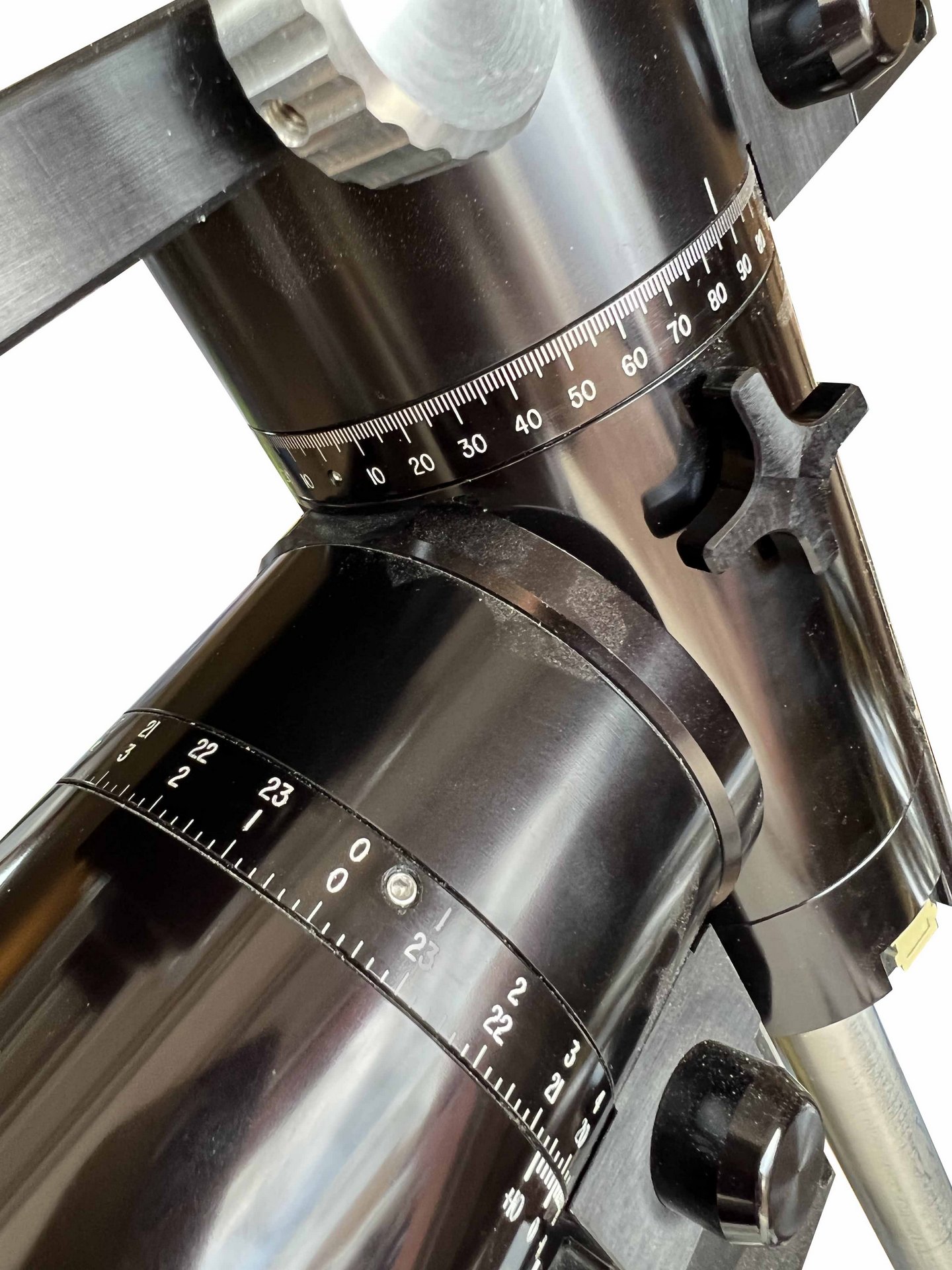
All equatorial mounts have two axes, perpendicular to each other. One points to the North Celestial Pole (called the Polar or Right Ascension axis) and the other is 90° to it and is called the Declination axis. These axes mirror the Right Ascension and Declination coordinates of the Celestial sphere. Remember, Declination is akin to latitude and Right Ascension is akin to longitude.
For this mount to work properly, the Polar axis has to be pointed to the North Celestial Pole (very close to the star Polaris and at the same angle as your latitude). For general observing, this alignment is not critical but careful alignment is important for astrophotography. Equatorial mounts have an adjustment for latitude.
One advantage of the equatorial mount is that only one axis has to turn to keep an object in view instead of two for the alt-az.
The German equatorial mount is characterized by counterweights to balance the telescope around the Polar axis, so this makes it extra heavy compared to alt-az mounts.
Dobsonian Mounts
Remember, a Dobsonian telescope is nothing more than a Newtonian reflector on a simple alt-az mount.
Dobsonians do not have ordinary mounts/ tripods—the mount is in essence the tripod—see pictures above.
For many 6, 8 and 10-inch Dobsonians, the mounts are about waist high where they pivot in altitude. Azimuth movement is very close to the ground.
On very large Dobsonians, around 15 inches in diameter or larger, the alt-az mounts are very low to the ground and are often referred to as rocker boxes.
Some more about Mounts
Aiming your Telescope
Aiming your telescope to an object in the sky is not as easy as you might think!
Moon Challenge
So, you think you can easily move and point your telescope to a star or object in the sky? Just try pointing your telescope to the bright Moon—I bet you will have a difficult time centering it in your eyepiece. Hint, use your lowest magnification and it will still be difficult.
The problems with the
Traditional Finderscopes
1. They are a little low-magnification refractor (around 5x to 6x). Because there is magnification, corresponding what you see in the sky with your eyes will not match well with the magnified/enlarged view through the finderscope.
2. The limited view through the finderscope is just a small portion of the sky that can be seen with the eyes.
3. This is a biggy. Most of the traditional finderscopes that are included on telescopes bought today will provide an INVERTED image of the area of the sky it points to—this can cause real confusion in moving/pointing the telescope. Some telescope manufacturers provide a more expensive finderscope that corrects for this but only a few—don’t count on it.
4. To look through a traditional finderscope, you have to place your eye at the end of the little scope. This can be very uncomfortable, especially for older individuals.
Red-Dot Finders
(Reflex-Sight Finders)
The way to GO!
1. These finders do not use lasers but optically project a lighted red-dot, crosshairs or bull’s-eye onto the night sky. They are used on handguns but some are made specifically for telescope use.
2. They do NOT provide any magnification, which is good! You look through a piece of glass to see the red-dot projected on the sky—you move the scope until the dot is on the star, planet, Moon or spot where an object, like a galaxy is located.
3. Since these don’t provide magnification, it is easy to correspond what you see with your eyes to what you see through the viewing glass that has the red-dot (or bull’s-eye)
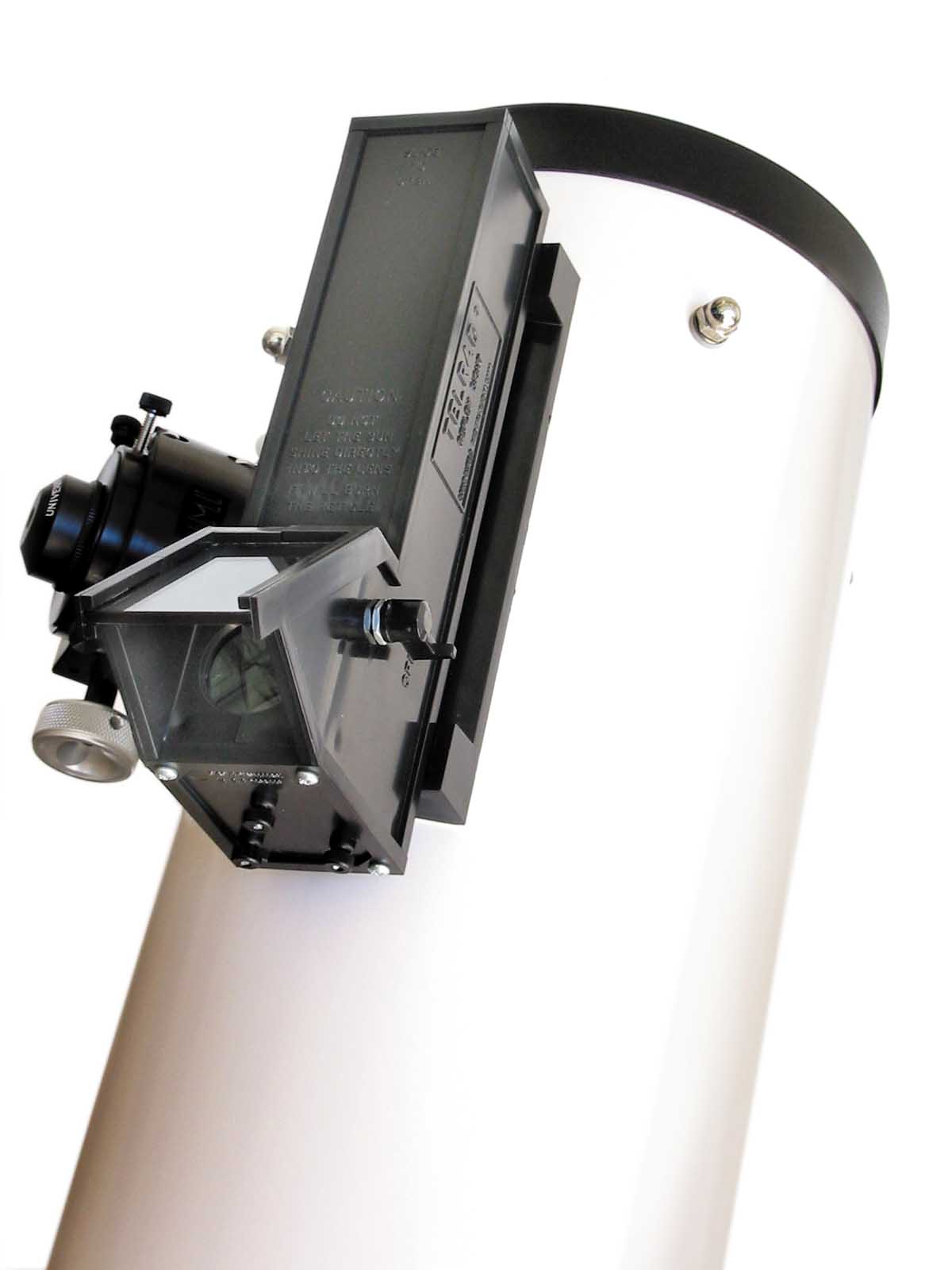
3. The viewing glass that you look through is on the smaller side for many of the astro-made red-dot finders. They could be larger. The Telrad has a very large viewing glass.
4. The worst thing is that you DO have to align your eye along an optical axis through the viewing glass to see the red dot. There is a slight learning curve. To be honest, sometimes I can't seem to find the red dot or bull’s-eye and I get fustrated but I LOVE THESE finders!
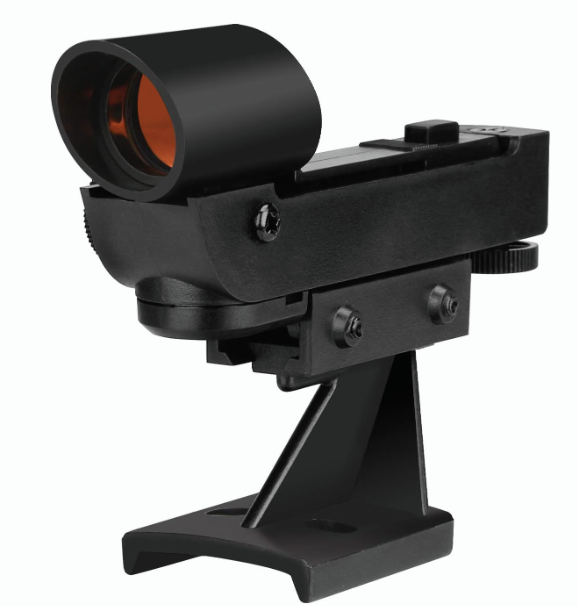
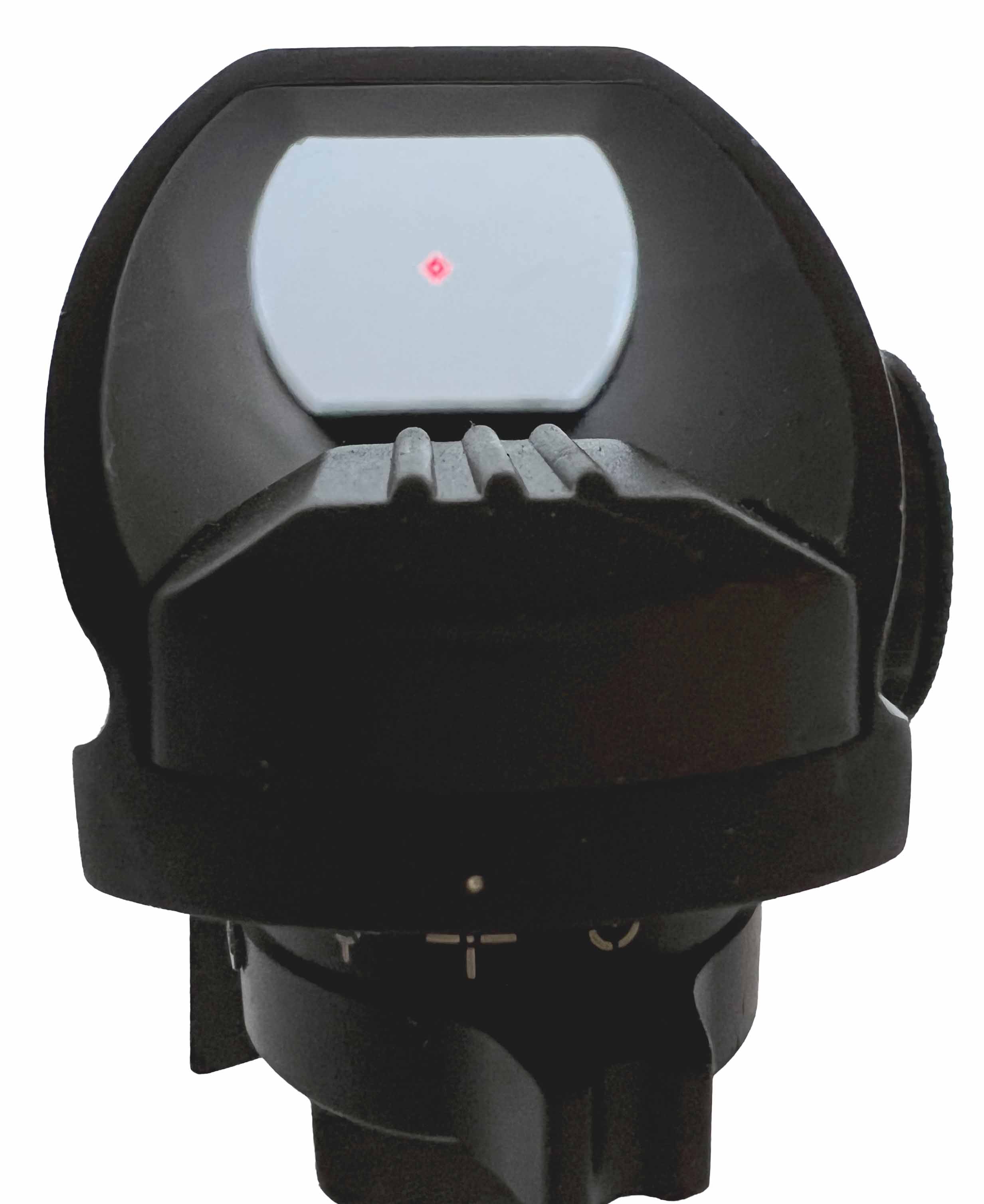
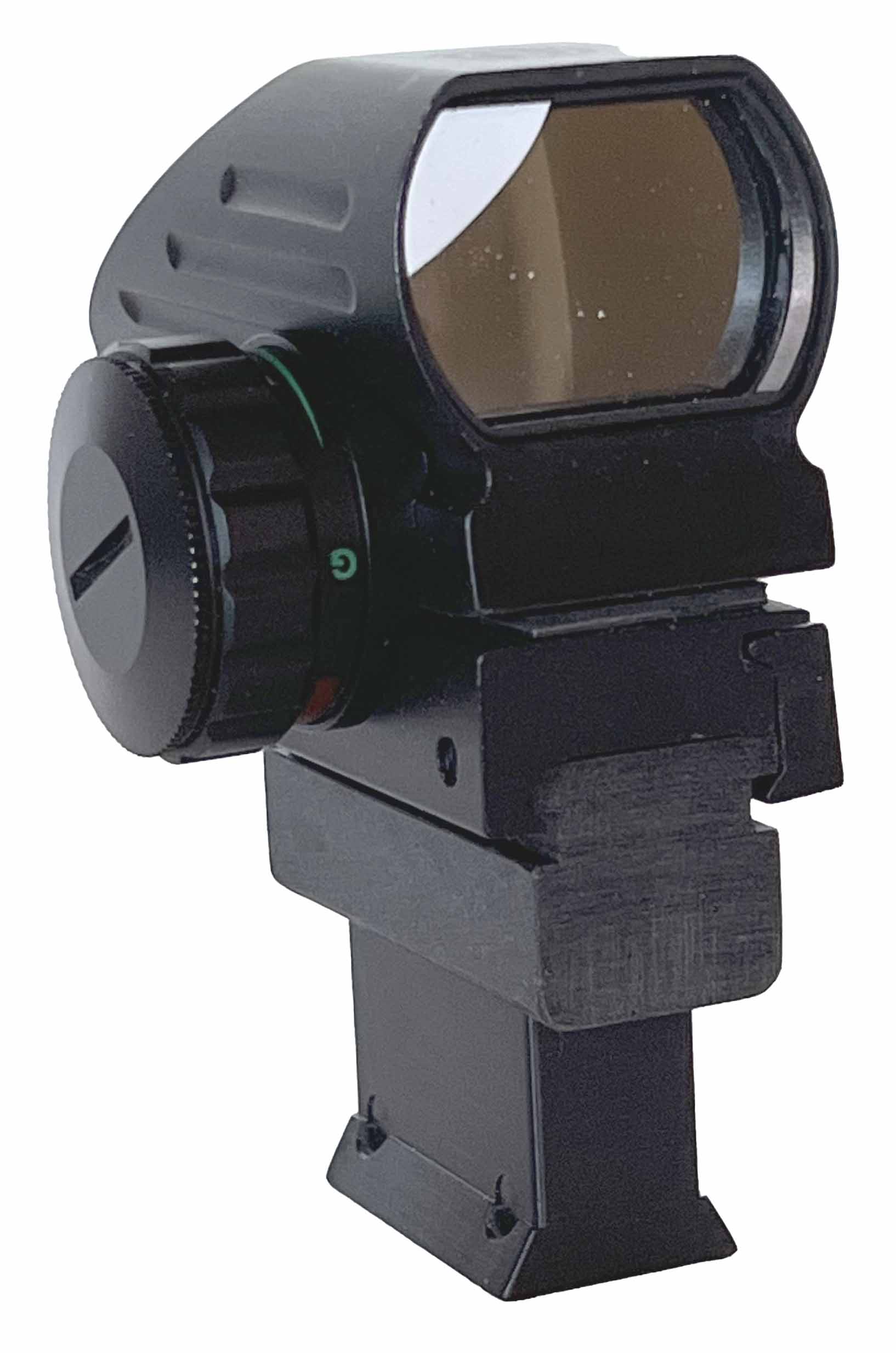
SVBony Red-Dot Finder
The base of this unit may fit bases used for Traditional Finderscopes.
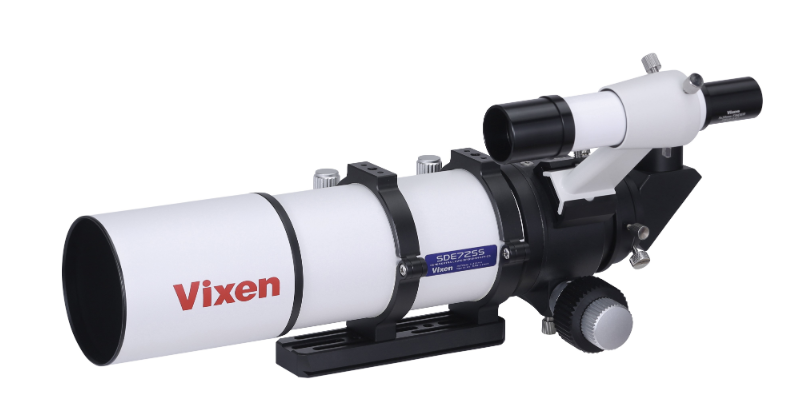
A Recommendation
Replace a Traditional Finderscope on your telescope with a Red-dot Reflex-Type Finder. Check this
SVBony Red-Dot Finder for $20.
Check to make sure that the base on any replacment red-dot finder will fit on your scope OR that you have the means to modify it for attachment.
A Traditional Finderscope is a small refractor telescope with a low magnification of around 5x to 6x. This one is at the top rear of the telescope.
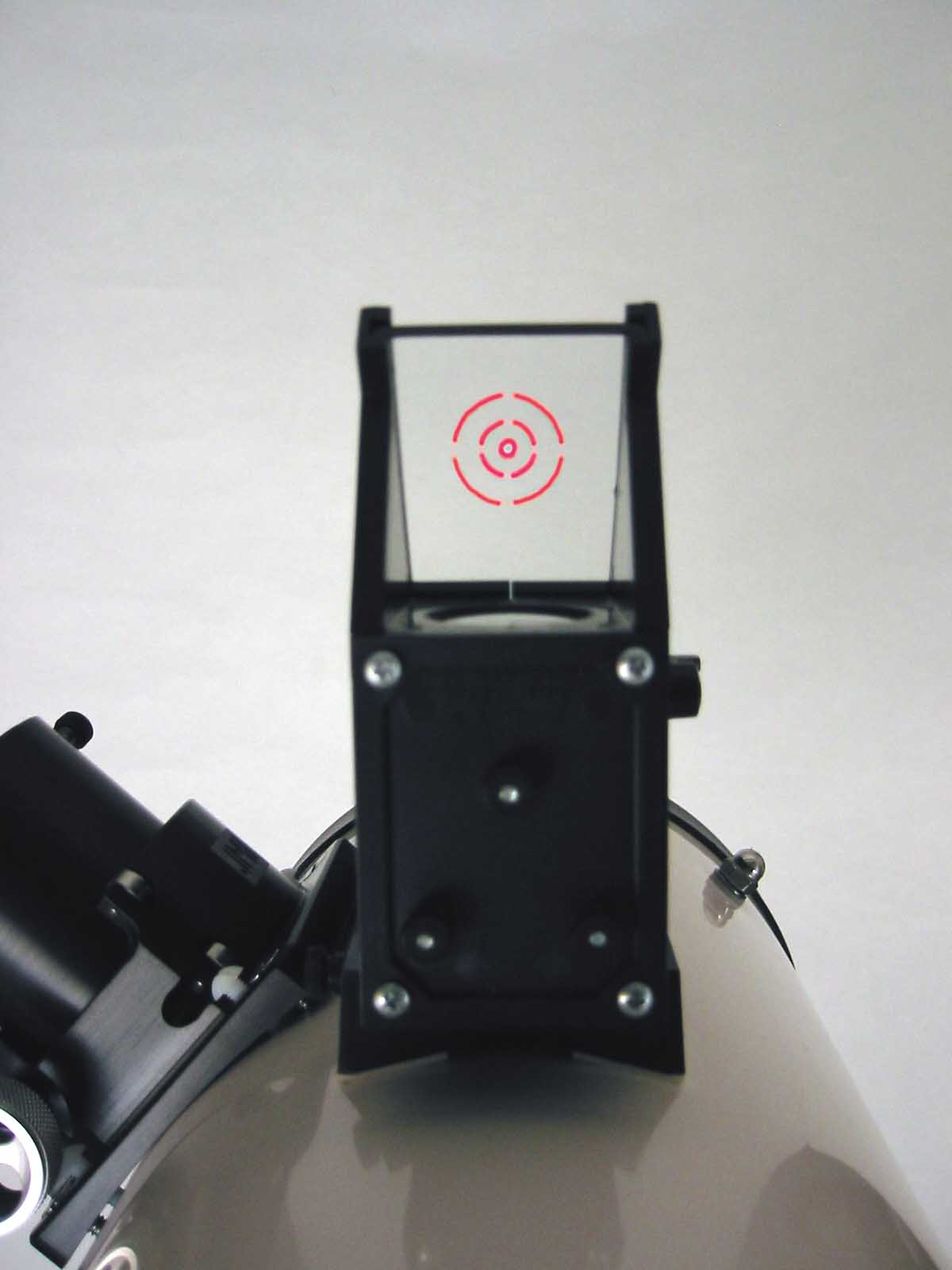
The Telrad . . .
is a great reflex-type finder that has stood the text of time. It provides an easy-to-see red-colored bull’s-eye that has become a standard.
The only problems with the Telrad is that it is a big finder and will not fit on smaller telescopes, and it is higher priced. I have three of them and always enjoy using them to point my scope. I wish there was a smaller version of this finder for smaller telescopes.
Gun-Sight Red-Dot
I am somewhat of a quality freak. Many of the astro red-dot finders are not of the best quality. However, the SVBony version looks decent. So, what I have done, twice, was to purchase red-dot finders made for handguns. Yes, you do have to modify or make a base so it attaches to your telescope but they do provide a quality finder and with a bigger viewing window to look through.
Aligning the Finder to the Telescope
Yes, any finder must be adjusted/aligned so that the image/red-dot is pointing where the telescope is pointing.
I recommend performing this alignment during the day for a Traditional Finderscope or near twilight for a Reflex-Type finder to see the red dot or bull’s-eye.
•
Point the telescope at a fairly distant terrestrial object like an electric pole, tower, mountain peak, etc. For Traditional Finderscopes, adjust the views by turning either 3 or 6 thumb screws. Red-Dot Finders often have knobs for adjustment.